Dog Blood Test Results Explained: The Complete Guide
Dog blood test results explained in plain English: how to read the values and H/L flags on your lab report, what the CBC and chemistry panel actually measure, which patterns vets watch for, and when a result needs a vet's attention.

Dog blood test results explained in one sentence: your report is a grid of measurements, and each row shows what was tested, your dog's value, the units it is measured in, and the reference interval that applies to that sample. Anything outside the interval gets a flag, usually an H (high) or L (low). A routine panel pairs a complete blood count (CBC) with a chemistry panel, and in the U.S. it commonly costs somewhere between $130 and $300 depending on your clinic and which tests are bundled in.
Here is the part most result pages never say out loud: the report is not the diagnosis. A single number, read alone, tells you almost nothing. What veterinarians do is read the values as a group, compare them with your dog's history and exam, and line them up against previous results to see which way things are moving. This guide teaches you that same method — page by page, value by value — so that when your vet says "the blood work looked pretty good," you know exactly which parts of the picture they were looking at.
Dog Blood Test Results Explained: How to Read the Whole Page
Every value on your dog's report is meant to be read in four parts — the test, the number, the unit, and the range — and the H/L flags are navigational aids, not verdicts.
Open any lab report and you will see the same skeleton, whether it came from an in-clinic analyzer or a reference laboratory. Learn these four parts and the wall of numbers becomes readable:
- Test name and abbreviation. Rows are labeled with a short name and an abbreviation in parentheses, such as "ALT (SGPT)" or "HCT." The abbreviation is what your vet will use in conversation, so it is worth knowing the five or six that matter most.
- Result. The measured value for this one sample, from this one day. Blood is a moving target — values shift with stress, hydration, food, medication, and time of day — so the result is a snapshot, not a fixed property of your dog.
- Unit of measure. The same substance can be reported in different units at different labs (for example, mg/dL versus mmol/L for glucose). When you compare two reports, check the units before you compare the numbers.
- Reference interval and flag. The range printed next to the result is the interval the testing lab considers typical. When a value falls outside it, the report adds a flag — H for high, L for low, sometimes "abnormal" or an arrow. The flags tell you where to look first; they do not tell you how serious anything is.
Most canine reports are organized into three blocks, and knowing the blocks helps you find things fast:
- The CBC block — the cellular part of blood: red cells, white cells, and platelets. Usually a dozen or so lines.
- The chemistry block — the chemical part: organ values, proteins, blood sugar, electrolytes, sometimes hormones. Usually 10 to 25 lines, depending on the panel your vet chose.
- The fine print — sample notes, comments from the lab, and any add-on tests ordered for a specific question. Do not skip this section; it often says things like "platelet clumping noted," which changes how a flagged number should be read.
Washington State University's veterinary teaching hospital puts it well in its guide to understanding your pet's lab tests: results are compared against ranges established for the species, and a value outside the range is a signal to think, not a diagnosis in itself.
The CBC: Your Dog's Complete Blood Count, Value by Value
The CBC describes the cells floating in your dog's blood — how much oxygen it can carry, what the immune system looks like, and how clotting is set up — and it is the first block on almost every report.
A complete blood count is the oldest and most common blood test in veterinary medicine. Everything in it falls into three families: red cells, white cells, and platelets. When people talk about their dog's blood work results, the CBC lines are usually the ones that got flagged and prompted a phone call, so reading your dog's CBC results is where most interpretation starts.
Red blood cells: HCT, HGB, RBC, and reticulocytes
This family answers one question: how much oxygen-carrying capacity does the blood have? A low HCT points toward anemia (and sends your vet hunting for the reason), while a high HCT often reflects dehydration or excitement rather than a blood problem. Reticulocytes are the "new" red cells; when they are elevated, the bone marrow is responding to something — most often blood loss or red-cell destruction. For the full walkthrough of how these lines fit together, see our guide to reading a CBC in dogs and cats.
White blood cells: WBC and the differential
The white-cell section reports a total count plus a breakdown — the differential — across cell types such as neutrophils, lymphocytes, monocytes, and eosinophils. Patterns matter more than any single line here: a high total with lots of "band" neutrophils looks different from a high total that is mostly lymphocytes, and stress itself can push the WBC count up during a scary vet visit.
Platelets: the count that lies more often than people expect
Platelets are the first responders of clotting. A low platelet count on a healthy, bright dog is frequently a sample artifact — platelets clump together in the tube, and the machine counts the clumps as fewer, larger objects. That is why a surprising platelet result is usually rechecked, the smear is examined by hand, or a fresh sample is drawn before anyone draws conclusions. The biology behind these tests is covered in detail by Cornell's eClinPath hemostasis section.
A quick lookup: what each CBC line is telling you
- HCT (hematocrit) — the share of blood volume made of red cells; the headline number for anemia or dehydration.
- HGB (hemoglobin) — the oxygen-carrying protein inside red cells; usually moves with HCT.
- RBC (red blood cell count) — how many red cells per volume; low counts mirror low HCT, while high counts often just mean a concentrated sample.
- Reticulocytes — the "factory output" of the bone marrow; high values mean red cells are being replaced.
- WBC (white blood cell count) — the total number of infection-fighting cells; read together with the differential, not alone.
- Differential (neutrophils, lymphocytes, monocytes, eosinophils, basophils) — the mix of white-cell types; the pattern hints at inflammation, stress, allergy, or other processes.
- PLT (platelet count) — shorthand for clotting readiness; low values need a recheck before they mean anything.
- Comments — technician notes about clumping, lipemia (fatty samples), or how the sample was handled; always worth reading.
Cornell's eClinPath hematology pages are the reference most veterinary students learn from; if you want to go one layer deeper than this guide, that is the next stop. Their tests section catalogs each assay line by line.
The Chemistry Panel: Your Dog's Organ Values, Mapped
The chemistry panel measures what the organs are doing chemically — liver, kidneys, blood sugar, proteins, and the electrolytes that keep nerves and muscles working.
If the CBC is about cells, the chemistry panel is about function. A standard panel covers roughly a dozen to two dozen analytes, and many clinics offer "mini" and "senior" versions with different lineups. Here is the map, grouped the way vets think about it:
- Liver enzymes — ALT, AST, ALP, GGT. These tell you about liver cells and bile flow, not directly about liver function. A mild, isolated elevation is one of the most common surprises on canine panels. Our guide to what ALT, AST, ALP, and GGT mean unpacks each one.
- Kidney values — BUN, creatinine, SDMA, phosphorus. These estimate how well the kidneys are filtering. BUN is sensitive but easily swayed (dehydration, diet, intestinal bleeding); creatinine is slower to rise; SDMA can move earlier. Our companion piece on BUN, creatinine, SDMA, and urine specific gravity explains how they overlap.
- Blood glucose and proteins — glucose, albumin, globulin, total protein. Glucose rises with stress and with diabetes, and falls in a handful of serious conditions; proteins say something about nutrition, hydration, and the immune system.
- Electrolytes and minerals — sodium, potassium, chloride, calcium, phosphorus, magnesium. These keep the heart and nerves running and shift with vomiting, diarrhea, kidney disease, and some medications.
- Add-on tests. Depending on the question, your vet may add thyroid hormone (T4), pancreatic lipase (cPL), bile acids, fructosamine, or other targeted assays. Cornell's eClinPath chemistry section documents what each of these measures and how labs report them.
One practical note: chemistry panels are usually run from a fasting sample, because a recent meal can muddy glucose and make the sample lipemic — literally milky with fat — which can interfere with several measurements. If your dog ate on the way to the appointment, tell the clinic; that single sentence can explain a strange result.
How to Read Dog Blood Test Results: Patterns, Not Single Numbers
One flagged value, on one day, rarely means much by itself — the way veterinarians read dog blood work results is to look for patterns across values and trends across visits.
Start with the math that never shows up on the printout. Reference intervals are built so that the middle 95% of a healthy population falls inside them, which means a small share of perfectly healthy dogs will show a mildly flagged value on any single panel — and with 20-plus values per report, a lone stray flag is common. That is why your vet's first question about a mild abnormality is often "what does the rest of the panel say?" rather than "what does this one number mean?"
Here are patterns that send a vet in specific directions — not diagnoses, but the map they are reading:
- A single mild ALT elevation, everything else normal. Often repeated on a fresh fasted sample, or watched over time; some vets pair the recheck with bile acids or imaging depending on the dog's age and history.
- ALT and ALP elevated together. Points the workup more firmly toward the liver or bile system, and may prompt additional testing or an ultrasound.
- BUN and creatinine elevated together. Suggests the kidneys need a closer look: usually paired with SDMA, urine concentration (specific gravity), and sometimes imaging.
- High HCT plus high total protein. Often the signature of a dog who is simply a bit dehydrated that morning — a common finding in hot weather or after exercise.
- A low platelet count in an otherwise well dog. Frequently rechecked first, because clumping in the tube is a well-known false alarm; if it repeats on a fresh sample, that changes the conversation.
- High glucose. Read with context: stress in the exam room and a recent meal both push glucose up, so vets may confirm with fructosamine (which reflects weeks of glucose control) before going further.
- Mildly low albumin with everything else normal. Often watched rather than chased immediately, especially in young dogs — but trends upward in severity get attention fast.
The deeper principle: trends beat snapshots. A creatinine of 1.8 mg/dL means one thing in a dog whose level has been 1.7 for two years, and something quite different in a dog who was 0.9 six months ago. This is the single strongest argument for keeping every report, because a vet with five results can see a curve where a vet with one result sees only a dot.
Why Two Labs Can Print Different "Normal" Ranges
There is no single universal normal range for dogs — the interval printed on your report belongs to the laboratory that ran the test, and it reflects that lab's methods and reference population.
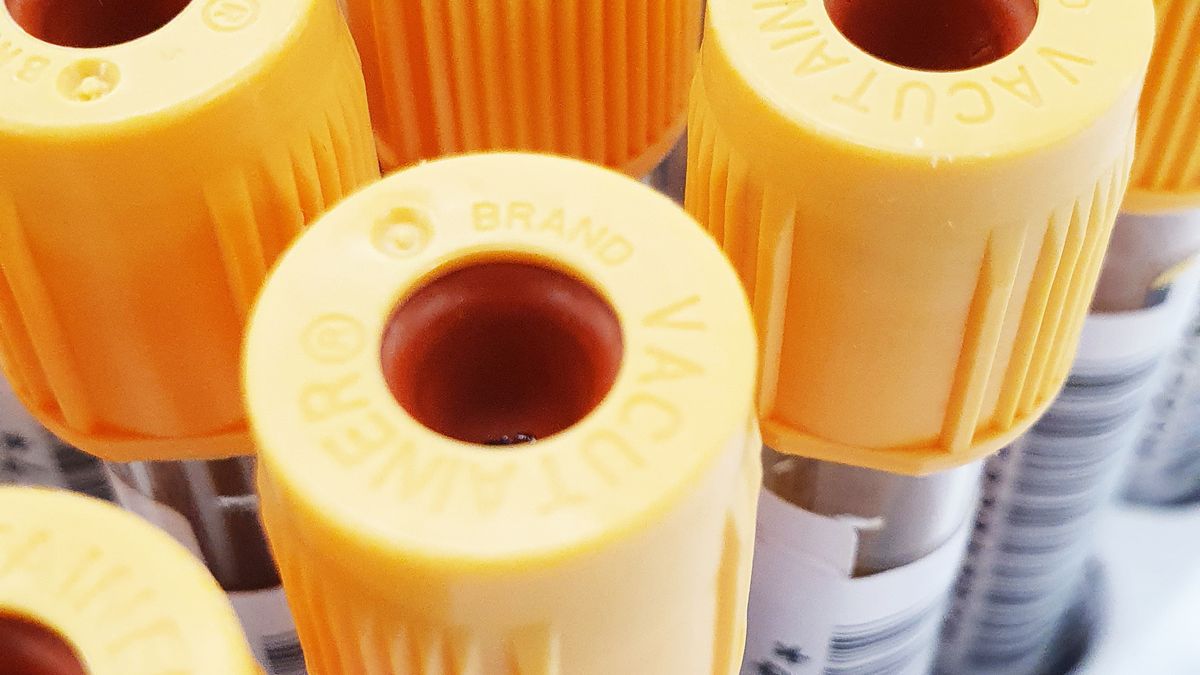
This surprises owners who compare their report to a chart they found online. A few reasons the numbers wander:
- Different equipment and methods. Two analyzers can measure the same analyte slightly differently, so each laboratory validates its own intervals.
- Different reference populations. A lab serving a region with different breeds and lifestyles may set slightly different limits than one that tests mostly young, athletic dogs.
- Sample handling. Hemolysis (red cells bursting during handling), lipemia, and the time between draw and analysis can all nudge values.
- Age and growth. Growing puppies commonly run patterns that would look abnormal in adults — the ALP that comes from growing bone is often high in young dogs and settles with age, which is why some labs use age-adjusted intervals.
- Medication effects. Some drugs leave characteristic fingerprints — steroids, for example, are classically associated with higher ALP. If your dog is on medication, put it on the intake form, every visit.
- Stress and exertion. A nervous dog can have a higher glucose and white-cell count before the needle even goes in.
The practical upshot: compare your dog only to your dog. Use the interval printed on the report as the yardstick; if you are looking at a chart from another source, treat it as background reading, not a verdict. The Merck Veterinary Manual's dog owner's section is a good, trustworthy place to start that background reading.
Symptoms & When to Worry
If your dog is acting sick, the symptoms set the urgency — not the printout. If your dog is acting normal, a flagged value is a conversation for your vet, not a reason to panic at midnight.
Call your vet or the nearest emergency hospital right away if your dog:
- Collapses, is difficult to rouse, or has a seizure.
- Has pale, white, or blue-tinged gums.
- Is breathing hard, fast, or with obvious effort.
- Is bleeding and it will not stop.
- Cannot urinate, or strains repeatedly without producing urine.
- May have eaten something toxic, or is drooling and retching.
- Has a swollen, hard abdomen, or is vomiting repeatedly with severe lethargy.
Book an appointment soon (today or tomorrow) if your dog:
- Has stopped eating or is eating markedly less for more than a day.
- Is drinking noticeably more (or less) than usual.
- Has had vomiting or diarrhea that keeps coming back.
- Is losing weight despite a normal appetite.
- Seems weak, withdrawn, or "just not right," even without any obvious sign.
If there are no symptoms at all and you simply found H and L flags on a report: write your questions down, send the report to your vet, and ask two things — does anything here change your plan, and when should we recheck? Not every abnormal value is a disease, and not every "normal" panel rules one out; only your vet can line the numbers up against your dog's exam, history, and previous results. This article cannot tell you what any specific value means for your dog, and no website or app can — that judgment needs a professional who can examine the patient.
How to Ask Better Questions at Your Next Visit
The most useful thing you can bring to a results conversation is a short, specific list of questions — and your dog's previous reports for comparison.
Try these five, in this order:
- "Which value actually changed your plan?" It tells you what the vet is truly watching and what is incidental to the picture.
- "How abnormal is it — a little, or a lot?" Position within direction matters: a mild flag and a value far outside the interval are different conversations.
- "What's the trend compared with last time?" If you have prior results, this question gets you the most information per minute.
- "Should we recheck, and when — days, weeks, or months?" The recheck interval is often the real diagnosis-adjacent decision.
- "Do I need to prepare the sample differently next time — fasting, timing, medication?" One line on the instruction sheet can prevent a wasted or misleading sample.
Write the answers down or snap a photo of the report with notes. Four months later, at the next visit, nobody will remember the details — but the trend will still be sitting there, waiting to be read.
Related: What a dog blood test costs and what a senior blood panel checks for older dogs.
Keep Every Result in One Place
Results scatter: a portal here, a printout there, a PDF buried in your email. The moment you need the history — a new vet, a second opinion, a 2 a.m. emergency visit — is exactly the moment it is hardest to find.
PetzDay is built for that moment. You can log each blood panel, keep the flagged values tagged with the date and the reason the test was run, and pull up a clean trend at the next appointment. When your vet asks "how long has this been going on?" you will have the answer in seconds instead of a shoebox. Create a free PetzDay account and start with your most recent report — it takes about five minutes — or browse our full library of lab value guides while you wait for the next set of results.
FAQ
What does it mean if my dog's blood test results are high?
An "H" flag means the value fell above the interval the testing lab uses for that measurement — it does not automatically mean disease. Some elevations (like glucose in a stressed dog) are common and harmless; others (like kidney values rising over several visits) deserve a workup. Your vet reads the flag together with the rest of the panel, your dog's exam, and previous results to decide what it means.
What is a normal blood test result for a dog?
There is no single "normal" that applies to every dog — the reference interval printed on your lab report is the correct yardstick for that sample, because intervals are set by each laboratory for its methods and reference population. A value inside the interval is typical for that lab; a value outside it is a signal to look at context, symptoms, and trends before drawing conclusions.
How long does it take to get dog blood test results?
Panels run on an in-clinic analyzer often return within the same visit, or the same day. Tests sent to an outside reference laboratory typically take one to three business days, and specialized send-outs can take longer. Ask the clinic when to expect a call.
Can I view my dog's blood test results online?
Many clinics offer a patient portal or email a PDF, and some labs let the clinic share results digitally on request. Availability varies a lot by practice. If your clinic does not offer one, ask for a copy at checkout — most clinics will provide copies of your dog's records on request, and keeping them in one place (like a PetzDay timeline) is the easiest way to make the next visit more useful.
Do I need a veterinarian to interpret dog blood test results?
Yes — interpreting results responsibly means combining the numbers with your dog's history, exam findings, current medications, and prior panels. That is a professional judgment call, and it is exactly the kind a website cannot make for your individual dog. Use guides like this one to understand the vocabulary and ask better questions; let your veterinarian make the clinical calls.
References
- eClinPath (Cornell University) — Hematology and Hematology tests — accessed September 2026
- eClinPath (Cornell University) — Chemistry — accessed September 2026
- eClinPath (Cornell University) — Hemostasis — accessed September 2026
- VCA Animal Hospitals — Complete Blood Count
- Washington State University Veterinary Teaching Hospital — Understanding your pet's lab tests (2022)
- Merck Veterinary Manual — Dog Owners
Last reviewed: September 23, 2026. This article is for general education and does not replace an examination by your veterinarian.
Photos: Pexels — free to use under the Pexels license.