Platelets and Clotting Tests in Dogs and Cats: PT, aPTT, and Bleeding Workups
Bruises, nosebleeds, and unexplained bleeding all lead to the same first step: a platelet count and coagulation panel. Here is what those tests measure and why both matter.
A normal platelet count in dogs and cats usually sits between 200,000 and 500,000 per microliter; below that, bruises, nosebleeds, or unexplained bleeding point the workup toward a platelet count plus two clotting tests, PT and aPTT.
Clotting is a chain reaction. When a blood vessel is injured, platelets stick to the wound and to each other, forming a temporary plug. Behind them, a cascade of proteins called clotting factors locks the plug into a stable clot. A bleeding workup probes both halves of that system, which is why it almost always includes a platelet count plus two protein-based tests: PT and aPTT.
Understanding what each test covers — and which diseases breach which part of the chain — turns a scary episode of bleeding into a solvable puzzle. The Cornell eClinPath hemostasis library is a deep resource, and your veterinarian can map these general principles onto your pet's specific situation.
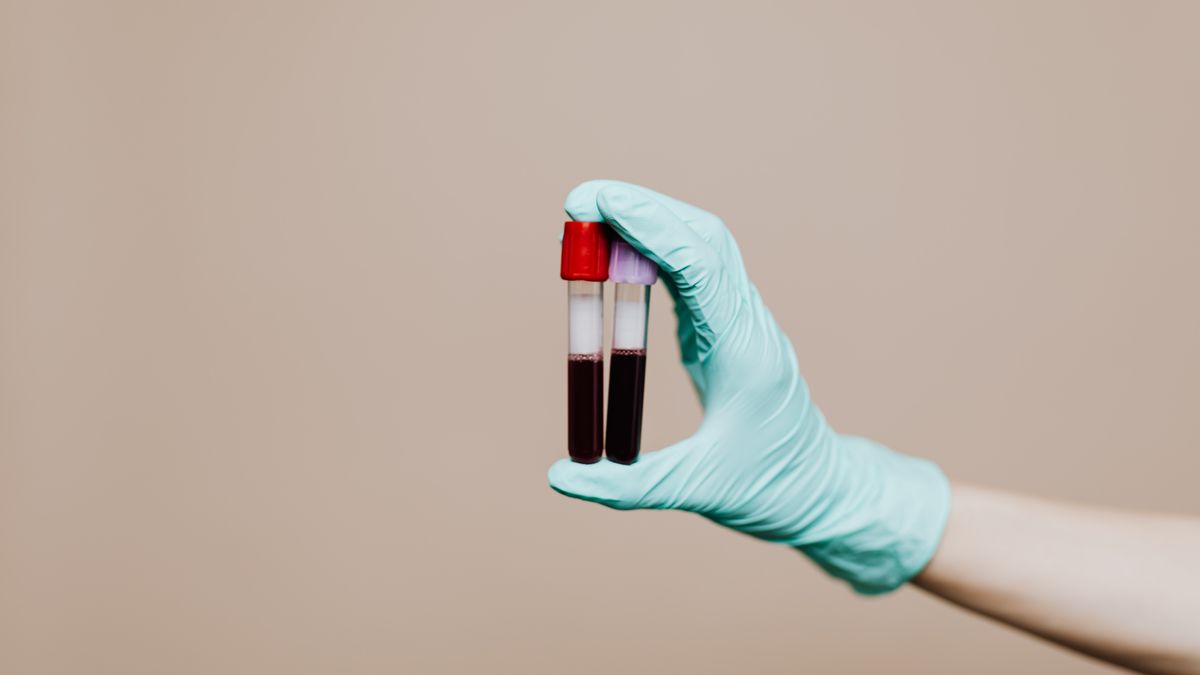
Exact reference intervals vary by laboratory; trends and the pattern across tests matter most.
Platelets: count, then look closer
A normal platelet count usually sits between 200,000 and 500,000 per microliter. Automated counters can be fooled: platelets that clump in the sample tube produce falsely low readings, while small red cell fragments can be miscounted as platelets and produce falsely high ones. That is why every reduced count should be confirmed on a blood smear before anyone panics — a step that saves pets from unnecessary hospitalization surprisingly often.
When the count is genuinely low, veterinarians think in three categories: decreased production in the bone marrow, increased destruction in the bloodstream (immune-mediated thrombocytopenia is the classic), or increased consumption and sequestration, as seen with severe inflammation, sepsis, or certain cancers. Each category carries different treatments and different urgency.
High platelet counts in dogs (thrombocytosis)
A high platelet count has a name — thrombocytosis — and in dogs it is usually reactive: the bone marrow making extra platelets in response to something else, rather than a problem with the platelets themselves. Common drivers include inflammation or infection, iron deficiency, and life after a splenectomy. The spleen stores a large share of the body’s platelets, so once it is removed the count often reads higher for a while.
- Inflammation, infection, or tissue injury — the most common reasons for a mild rise
- Iron deficiency — the marrow pushes platelets up while red cell values fall
- Recent surgery or splenectomy — counts can climb for weeks before settling
- No obvious explanation — the reason vets recheck before they worry
Most reactive elevations drift back toward the reference range once the underlying cause is treated, and the usual plan is simple: repeat the count in a few weeks. It is a persistently high value with no other explanation — on the order of a million platelets per microliter or more — that sends veterinarians looking at the marrow itself, for a rare condition called essential thrombocythemia. That question is answered by the whole picture, not a single number.
Platelet indices: MPV, PDW, and PCT
Modern analyzers report a few numbers beyond the simple platelet count. They are rough measures of how large the platelets are, and how varied the population looks — supporting actors in the report, not solo performers.
- MPV (mean platelet volume) — the average size of circulating platelets. Large platelets (sometimes called macroplatelets) tend to be young ones freshly released from the marrow, so a higher MPV often travels with active platelet production, including recovery after a low count.
- PDW (platelet distribution width) — how much platelet sizes vary. A wider spread usually mirrors that same production story.
- PCT (plateletcrit) — the platelet mass as a percentage of blood volume, roughly the count multiplied by the MPV. Because it is calculated, an error in either input shifts it.
The practical takeaway: a flagged index alongside a normal count usually means “look at the blood smear” — not a diagnosis in itself. Vets read these values together with the count, the smear, and the trend across visits; on their own they rarely mean much, and often normalize on a recheck.
PT and aPTT: probing the cascade
The prothrombin time (PT) measures the "extrinsic" pathway, while the activated partial thromboplastin time (aPTT) measures the "intrinsic" pathway. In practice, you can think of them as two halves of the same relay race. If the aPTT is prolonged alone, the problem is likely in factors VIII, IX, XI, or XII. If both are prolonged, a common-pathway problem or severe liver dysfunction comes to mind.
Rodenticide poisoning is the scenario veterinarians fear most when a previously healthy dog suddenly bleeds. Most rat poisons interfere with vitamin K recycling, which shuts down production of several factors and prolongs both PT and aPTT. It is treatable, but only if owners bring the pet in at the first sign — waiting for the bleeding to stop on its own is not a plan.

Call your veterinarian the same day if you notice several of these signs together.
What bleeding patterns tell you
Veterinarians learn to read bleeding "geography." Tiny pinpoint bruises on the gums, tiny blood spots on the belly, or bleeding from multiple unrelated spots suggest a platelet problem or a broken secondary system. Large, single bruises at injection sites suggest vessel or surgical issues. This pattern recognition helps decide whether to run coagulation tests, look for tick-borne disease, or reach for imaging.
Some conditions blur the categories. Disseminated intravascular coagulation (DIC) — a complication of severe systemic disease — consumes platelets and factors faster than the body can replace them, producing low platelets with prolonged PT and aPTT at once. Tick-borne diseases such as ehrlichiosis and anaplasmosis in dogs can lower platelets while often sparing the protein tests.
The big picture for worried owners
A low platelet count on a routine screening is often incidental and may represent a clumping artifact, especially in cats. But a low count with bruises, lethargy, or bleeding gums is a same-day matter. The pair of numbers — platelet count plus coag tests — is small and cheap compared with the consequences of missing a treatable bleeding disorder. When in doubt, the phone call to your clinic costs nothing.
A bleeding patient is a race against time — and the starting gun is a platelet count and a clot test.
Related: Senior Dog Blood Panels: What They Check & What to Watch — a yearly panel is where many owners first notice a slowly dropping platelet count.
Questions to ask your veterinarian
- Was the platelet count confirmed on a blood smear?
- Are we dealing with production, destruction, or consumption?
- Do we need tick-borne disease screening?
- Should we test before any surgery or dental procedure?
- What warning signs mean I should return immediately?
Before surgery and dental procedures
Every general anesthetic carries a small bleeding risk, which is exactly why most clinics screen platelets and clotting before cutting anything — teeth included. A dental cleaning that nicks a small vessel is harmless in a dog with 300,000 platelets and can become a long afternoon in a dog with 40,000. Pre-procedure blood work is the quiet ritual that keeps routine procedures routine.
Breed adds a layer. Some dogs — Dobermans and Scottish terriers among the best known — carry von Willebrand disease, an inherited disorder of platelet adhesion. A bleeding history or an abnormally long buccal mucosal bleeding time can prompt specific testing, and it changes how a surgeon plans, from suture choice to when to schedule. Tell your veterinarian about any prior bleeding episodes, even "minor" ones like a nail trim that oozed for an unusually long time.
Medications matter too. Some common drugs — including certain pain relievers and, rarely, some antibiotics — can interfere with platelets or clotting. A careful medication history, including supplements and anything borrowed from the human medicine cabinet, belongs on the pre-surgical checklist next to the blood tube. It is one of the reasons veterinarians ask the same questions five times; the sixth answer sometimes saves a patient.
If bleeding starts at home — a nosebleed that will not stop, blood in vomit, or unexplained bruising after a quiet afternoon — call the clinic rather than wait overnight. Bleeding disorders are most treatable in their first hours, and a phone call costs nothing compared to the alternative.
Keep Every Result in One Place
Results only become a story when you can compare them. PetzDay keeps every lab panel in one timeline you own — so trends stand out, and any clinic can see the full history in a single link.
- New to blood work? Start with the complete guide to dog blood test results.
- Browse more lab value guides, or create a free PetzDay account to keep your own results in one place.
References and further reading
- Cornell eClinPath — Hemostasis
- Merck Veterinary Manual — Hemostatic Disorders
- VCA Animal Hospitals — Immune-Mediated Disease
- Pet Poison Helpline — Rodenticide Poisoning