
Introduction
If your dog struggles with chronic itching, digestive problems, ear infections, or unexplained skin rashes, you’re not alone. Food allergies and intolerances are becoming increasingly common among dogs in North America. According to veterinary research, protein is the most frequent trigger of food-related allergies in dogs—and this is where hydrolyzed protein dog food comes in.
Hydrolyzed diets have become a go-to solution recommended by veterinarians for diagnosing or managing food allergies. But despite their rising popularity, many pet owners still don’t fully understand what hydrolyzed protein is, how it works, or how to choose the right formula.
This comprehensive guide breaks down everything you need to know, including science-backed explanations, ingredient analysis, buying tips, and common misconceptions. By the time you finish reading, you’ll be able to confidently evaluate hydrolyzed dog food options and decide whether it’s right for your pet.
What Is Hydrolyzed Protein Dog Food?
Hydrolyzed protein dog food is a type of veterinary or hypoallergenic diet in which the proteins (usually chicken, soy, salmon, or other common sources) are chemically broken down into very small fragments called peptides.
This process—known as enzymatic hydrolysis—reduces the molecular size of proteins so much that your dog’s immune system is far less likely to recognize them as allergens.
Why “Hydrolyzed”? A Simple Explanation
A dog with food allergies reacts because its immune system misidentifies a protein as harmful.
- If the protein is broken into tiny enough pieces, the immune system doesn’t recognize it
- If the immune system doesn’t recognize it, the allergic reaction never starts
Think of it like this:
- Normal protein: A whole puzzle → immune system can “see” the picture
- Hydrolyzed protein: The puzzle is shredded into tiny pieces → immune system can’t identify the picture anymore
How Hydrolyzed Protein Helps Dogs With Food Allergies
Hydrolyzed diets are often used as:
Elimination Diets
Veterinarians use hydrolyzed diets to diagnose food allergies by feeding only one protein source the immune system can’t react to.
If you want to learn about Elimination Diets, check out our other in-depth guide:
The Ultimate Guide to Elimination Diet for French Bulldogs: A Step-by-Step Plan & Free Tracker
Long-Term Allergy Management
Ideal for dogs with chronic conditions such as:
- Atopic dermatitis
- Inflammatory bowel disease (IBD)
- Chronic otitis (recurring ear infections)
- Sensitive stomachs
Digestive Support
Hydrolyzed proteins are easier to digest, making them suitable for:
- Senior dogs
- Dogs with GI sensitivity
- Dogs recovering from illness
Hydrolyzed Protein vs. Limited Ingredient Diet (LID)
Many dog owners confuse hydrolyzed diets with limited ingredient diets, but they serve different purposes.
Feature Hydrolyzed Protein Diet Limited Ingredient Diet Protein Size Very small peptides Whole proteins Allergy Risk Extremely low Medium Best For True food allergies Sensitivities Vet Recommended Yes Sometimes
Common Protein Sources Used in Hydrolyzed Dog Food
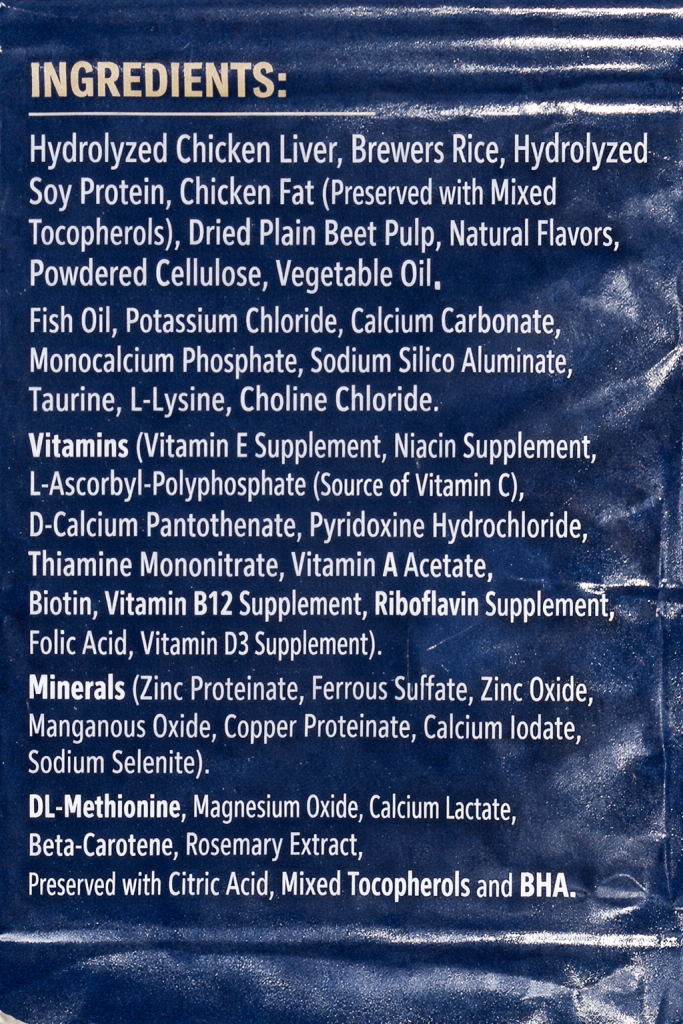
- Hydrolyzed chicken liver
- Hydrolyzed soy protein
- Hydrolyzed salmon or fish
- Hydrolyzed feather protein
- Hydrolyzed pork
The protein source matters less than how completely it is hydrolyzed.
Pros and Cons of Hydrolyzed Protein Dog Food
Benefits
- Highly effective for food allergies
- Reduces skin inflammation
- Supports gut health
- Highly digestible
- Suitable for long-term feeding
Drawbacks
- Higher cost
- Often prescription-only
- Mild flavor may not appeal to all dogs
- Not necessary for mild sensitivities
Signs Your Dog Might Need Hydrolyzed Protein Food
Skin Symptoms
- Constant itching
- Hot spots
- Red skin
- Excessive paw licking
- Hair thinning
Digestive Symptoms
- Chronic diarrhea
- Vomiting
- Gas or bloating
- Mucus in stool
Ear Symptoms
- Recurrent ear infections
- Strong odor
- Excess ear wax
How to Evaluate the Quality of Hydrolyzed Protein Dog Food
1. Degree of Hydrolysis
Smaller protein fragments mean lower allergy risk.
Veterinary diets generally use peptides under 10 kDa.
2. Protein Source Quality
Common sources include chicken, soy, and fish.
Consistency and purity matter more than origin.
3. Carbohydrate Sources
Low-allergen carbs include:
- Rice
- Potato
- Tapioca
Avoid unnecessary fillers unless vet-approved.
4. Omega-3 Fatty Acids
Look for EPA and DHA from fish oil to support skin health.
5. Prescription vs Over-the-Counter
Prescription diets have stricter contamination controls and clinical backing.
6. Feeding Trials
AAFCO feeding trials are more reliable than formulation-only claims.
7. Manufacturing Controls
Dedicated production lines reduce cross-contamination risks.
Best Hydrolyzed Protein Dog Food Brands in North America (2025)
Royal Canin Hydrolyzed Protein
- Widely prescribed
- Excellent skin and GI support
Hill’s Prescription Diet z/d
- Highly hydrolyzed chicken
- Clinically studied
Purina Pro Plan HA
- Single hydrolyzed protein
- Dry and canned options
Blue Buffalo HF
- Hydrolyzed salmon
- Newer alternative
How to Transition Your Dog to a Hydrolyzed Protein Diet
| Day | New Food | Old Food |
|---|---|---|
| 1–2 | 25% | 75% |
| 3–4 | 50% | 50% |
| 5–6 | 75% | 25% |
| 7 | 100% | 0% |
Full improvement may take 6–12 weeks.
Frequently Asked Questions
Is hydrolyzed protein dog food safe long term?
Yes. Veterinary hydrolyzed diets are nutritionally complete.
Will my dog gain or lose weight?
Most dogs maintain weight; portion control still matters.
Can healthy dogs eat hydrolyzed food?
Yes, but it’s usually unnecessary without allergies.
Is it expensive?
Yes, but often reduces long-term vet costs.
Conclusion
Hydrolyzed protein dog food is one of the most reliable solutions for dogs suffering from food allergies, chronic skin problems, or digestive disorders. While it may cost more and require veterinary guidance, the benefits often outweigh the drawbacks—especially for dogs with persistent symptoms.
Choosing a high-quality hydrolyzed diet can significantly improve your dog’s comfort, health, and quality of life.
One Comment